
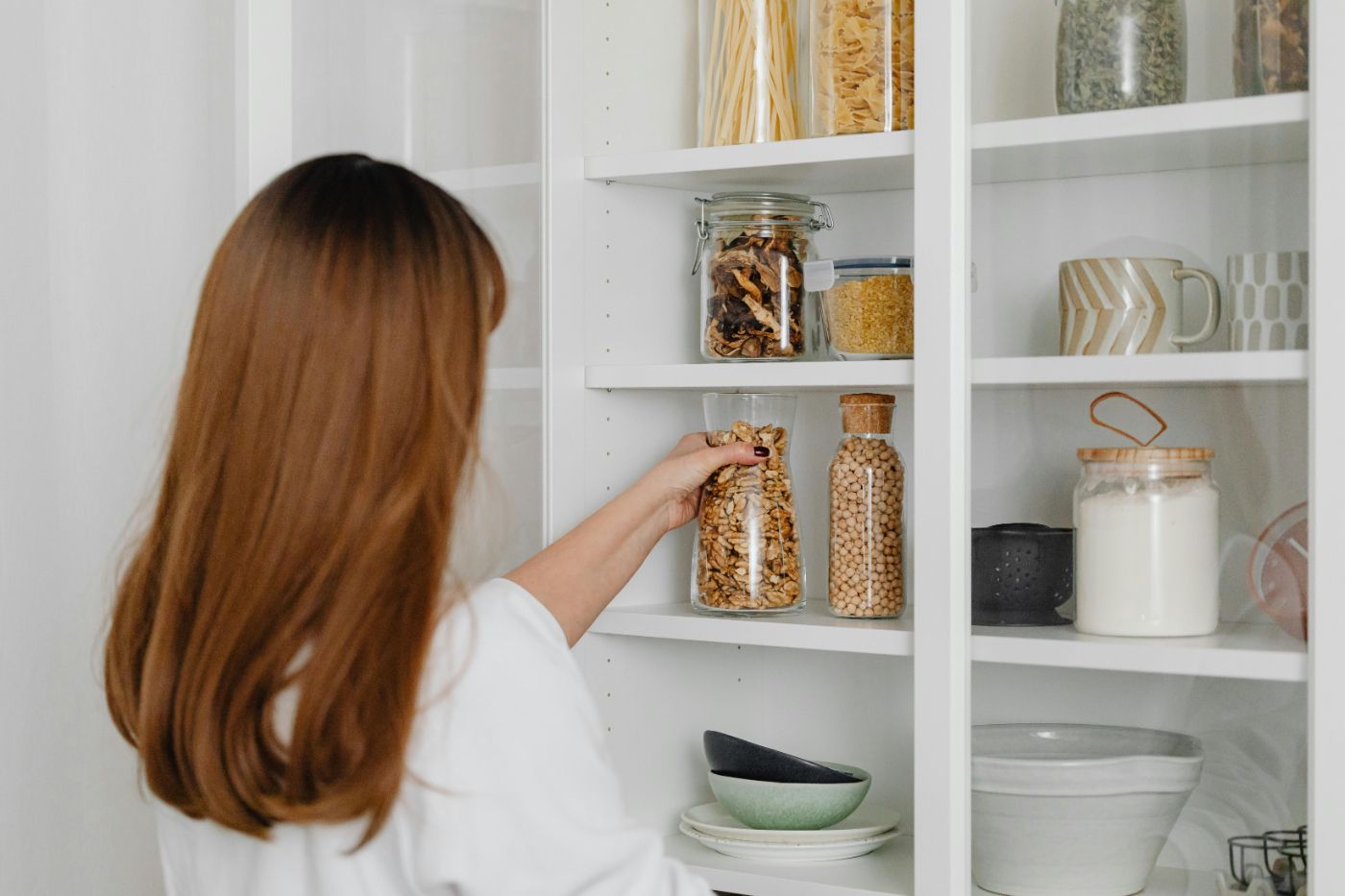
A butler’s pantry often attracts potential homebuyers, though many don’t realize it’s more than just a storage area. If you’re wondering, “What is a butler’s pantry?” Don’t worry, you’re not the only one. Also known as a scullery, a butler’s pantry is a transitional storage space typically placed between your kitchen and dining area. While they were traditionally used to store silver and china, modern-day butler pantries have a wide range of purposes. Read on to learn more about the purpose and benefits of a butler’s pantry.
Key Takeaways
- A butler’s pantry is a transitional storage and/or service room between a dining room and kitchen.
- Butler pantries were originally used to store and protect fine china, silver, heirlooms, and table linens.
- Modern butler’s pantries have a wide range of purposes, including storage, food prep, and entertaining.
- A butler’s pantry can improve the flow and functionality of your home as well as the resale value.
What Is a Butler’s Pantry?
For all of you asking, “What is a butler’s pantry?”, you’ve come to the right place. By definition, butler’s pantries, or sculleries, are small service and storage rooms located between a kitchen and a dining area. Today, people are modernizing the space to serve as more than just a storage space for fancy dishware, linens, and tableware. It’s more common to see small appliances, dry goods, and sinks in a scullery.
What Goes in a Butler’s Pantry?
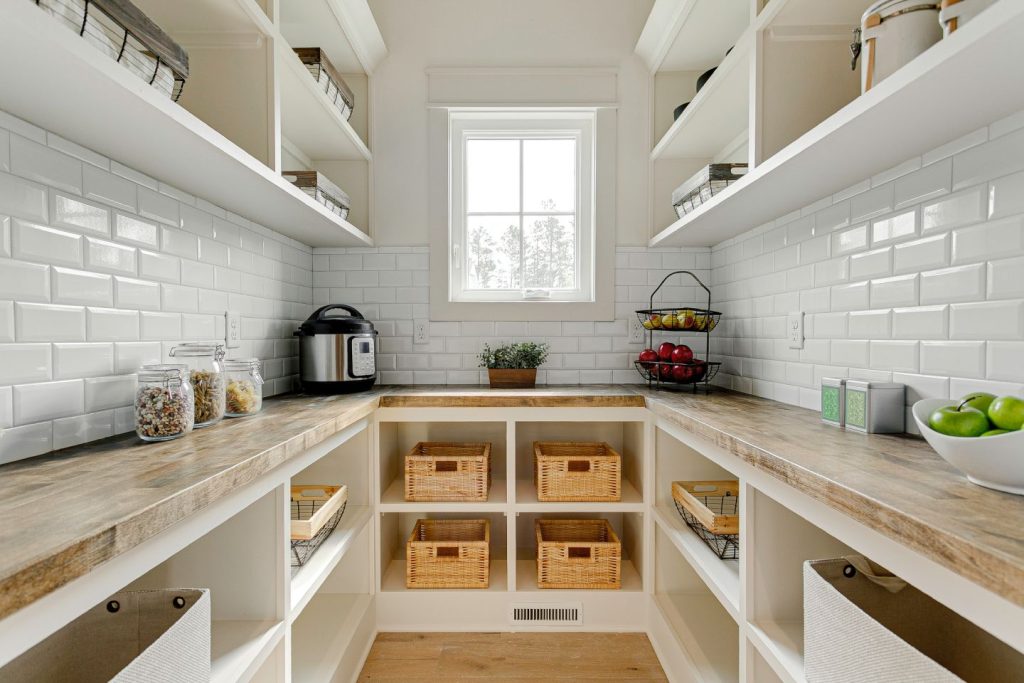
If not china and silver, then what goes in a butler’s pantry in today’s modern age? Well, the truth is you can put nearly anything in your scullery. From serving dishes, wine glasses, and coffee or tea accessories, a butler’s pantry is a diverse space that can store any number of items. For example, some people use the space as a mini wine cellar or wet bar. Another common usage is a coffee bar with small appliances such as coffee and espresso machines as well as mini-fridges for milk and cream.
Here’s a list of items commonly found in a scullery:
- Tableware: As with a traditional scullery, you may use the space to store tableware. This can include dishes, serving trays, fine china, cutlery, bakeware, table linens, or decorative table items such as vases.
- Appliances: Today, there are a multitude of small appliances you can use. A butler’s pantry is a great space for storing and using mini-fridges, blenders, toasters, mixers, crock pots, and coffeemakers.
- Food & Beverages: In addition to appliances and dishware, a butler’s pantry often holds food and beverage items. This can include canned goods, dry goods, wine and liquor, coffee beans and grounds, snacks, sodas, and water bottles.
- Miscellaneous: A scullery doesn’t have to be strictly for food and dining. Many people use the room for decorative items such as candles and candleholders, cleaning products, and/or pet supplies such as toys and food.
What Is the Purpose of a Butler’s Pantry vs. a Regular Pantry?
You may be wondering how a butler’s pantry differs from a regular pantry when they both serve as storage areas. While storage is one similarity between the two, there are many key differences that separate a scullery from a regular pantry. Explore the main differences below:
Butler’s Pantry
Here’s a breakdown of what makes a scullery unique:
- Purpose: The purpose of a butler’s pantry extends far beyond storage. A scullery is also used as a staging and prep area. You may wash dishes, meal prep, and/or serve beverages in a butler pantry.
- Location: Situated between your kitchen and dining room, a scullery is a transitional space. You, your family, and your guests may walk through the space, using it for drink preparation and serving small appetizers.
- Design: A scullery is typically larger than a traditional pantry and includes more than just shelving and cabinets. Butler’s pantries can include counters, a sink, a wine cooler or mini-fridge, and even a dishwasher.
Pantry
The following outlines the distinct features of a traditional pantry:
- Purpose: The primary purpose of a pantry is to store bulk food items, including dry goods, canned items, packaged snacks, and spices. While you may also store small appliances, you won’t operate them inside the pantry as you would with a scullery.
- Location: A regular pantry is typically positioned inside or just outside of your kitchen. A pantry is also an enclosed room with one point of entry and exit rather than two like a butler’s pantry.
- Design: Traditional pantries have wall-to-wall, standalone, and/or built-in shelving units. It’s common to have open shelving as it’s more easily accessible for grabbing items on the go. However, a pantry can also feature cabinets and drawers.
Types of Butler’s Pantries
Every scullery is slightly different depending on the layout of the home and size of the space. In addition to having different purposes, butler’s pantries can have different appearances as well. Here’s a brief overview of the various kinds of sculleries you can have:
Pantry Doors
There are a few types of doors you can have on a butler’s pantry. These include pocket doors, swinging doors, and sliding panels. If space is limited, a sliding door or pocket door may be best. Swinging doors are a great option for adding convenience and efficiency.
Pantry Layout
The shape and layout of a scullery can vary depending on where it’s located and how big it is. There are three common layouts, including long and narrow like a hallway, U-shaped, and one-walled. Each layout has its own pros and cons based on the amount of walking room and storage solutions available.
Benefits of a Butler Pantry
Regardless of the square footage, door types, or layout, there are a variety of benefits to having a butler pantry.
Explore some of the many advantages here:
- Decreased clutter in the kitchen and dining room
- Added storage, staging, and prep space
- Specialized usages such as a wet bar
- Increased home value
- Improved kitchen comfort, functionality, and efficiency
- Added dishwashing space
- Reduced appliances in the kitchen leading to increased kitchen counter space
Modern-Day Uses of a Butler’s Pantry
Historically, a scullery was the perfect spot for storing away expensive heirlooms, silverware, china, etc. Modern-day butler pantries are more diverse. You can make your scullery your own with its own unique style and purpose.
The following is a list of modern-day uses for a butler pantry:
- Prep Station: Area for performing meal preparation tasks such as washing produce, chopping vegetables, mixing/blending ingredients, and storing overflow dishes. Limits kitchen clutter and increases counter space.
- Wet Bar: Perfect for entertaining, a scullery wet bar can have a beverage cooler, liquor displays, wine racks, garnishes, and cocktail shakers. May also include a sink and dishwasher.
- Coffee and/or Tea Station: Dedicated area for storing and making tea and coffee. Includes storage space for teas, coffee beans, coffee grounds, and speciality syrups as well as kettles, espresso machines, and/or coffee pots.
- Pet Storage: Additional storage space for pet food, toys, beds, and medications. May include hooks for leashes, cabinets for extra water and food bowls, toy bins, drawers for pet clothing, and/or a pet washing station.
Tips for Building a Butler’s Pantry
Planning to build or improve an existing butler pantry?
Here are a few tips to help you create a comfortable, accessible, and efficient scullery:
- Include ample counter space to increase usability and reduce clutter in your kitchen dining area.
- Add decorative elements such as vases, flowers, candles, artwork, baskets, and small sculptures to boost the visual appeal and make the space your own.
- Include sufficient all-the-while space-saving lighting, such as built-in shelf lights and pot lights.
- Don’t be afraid to stylize the space with wallpaper, accent walls, backsplash, and/or custom tiles.
- Use a similar colour scheme and style to your kitchen and dining room to improve the transition from one space to the next.
Is a Butler’s Pantry Right for You?
Now that we’ve answered the question, “What is a butler’s pantry?” it’s time to ask, “Is a butler’s pantry right for you?” A modern scullery may be exactly what you need to improve the flow and functionality of your home. With near limitless design possibilities, you can build your scullery to meet all your needs and fulfil all your desires. Interested in learning how you can add or improve a butler’s pantry?